Key takeaways
Klaviyo's fifth annual K:LDN drew more than 1,000 marketers, founders and brand operators to Tobacco Dock on 30 June, its biggest UK event yet, according to Klaviyo's own recap of the day.
Across 24 sessions and 35+ speakers, one theme ran through almost every mainstage moment: retention marketing is moving from scheduled email sends to something closer to an always-on, decision-making system.
Inside K:LDN 2026
Ben Jackson, Klaviyo's managing director for EMEA, opened the event before handing over to co-founder and co-CEO Andrew Bialecki and CMO Jamie Domenici for the mainstage keynote.
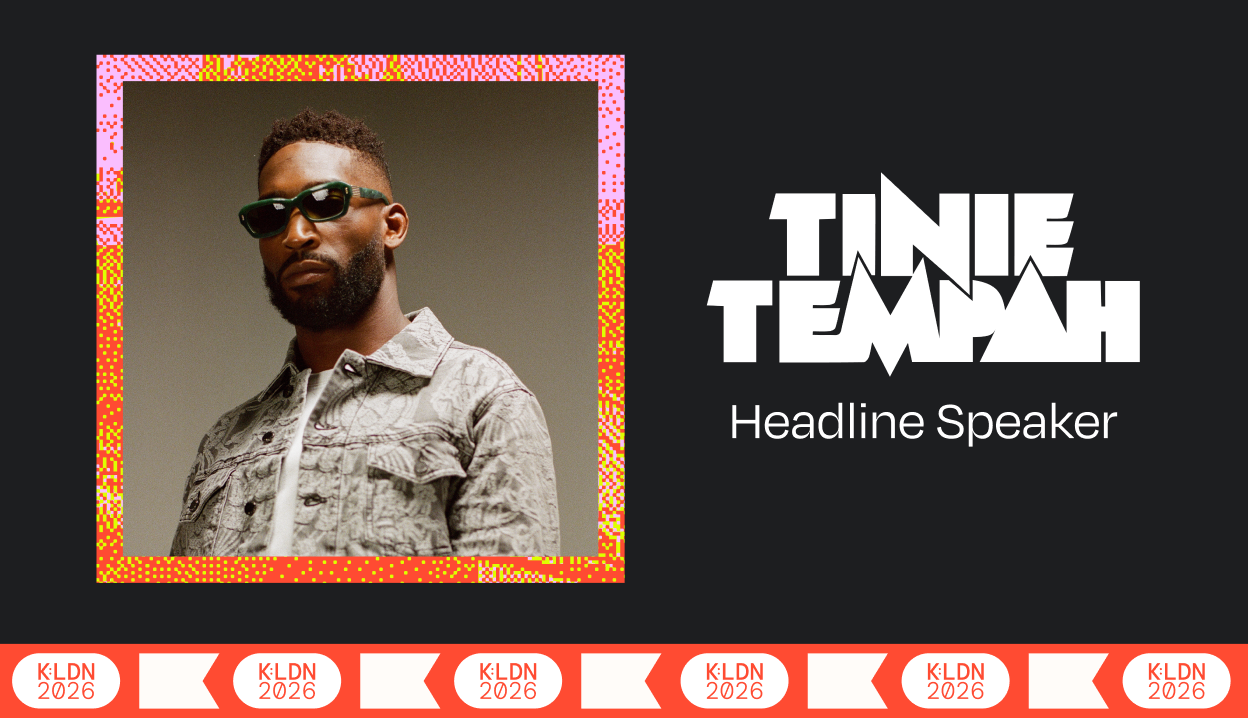
The day mixed keynotes, customer panels and hands-on workshops, with musician and entrepreneur Tinie Tempah joining Domenici for a fireside chat on brand building, a reminder that Klaviyo is positioning itself as a marketing platform for founders and creatives, not just a technical email tool.
The scale alone was notable. A five-year-old UK event now pulling four figures of attendees says something about how central retention marketing has become to brand strategy, not just a nice-to-have channel underneath paid acquisition.
The Autonomous CRM: Klaviyo's New Vision for B2C
The headline idea from the keynote was what Klaviyo is calling the autonomous CRM, a system where data, intelligence and agents work together so a brand's team can focus on outcomes, not on manually building and monitoring every flow.
In practice, that means retention marketing shifting away from a marketer manually deciding when to send a winback email or a restock alert, and toward a system that makes and adjusts those calls itself, based on live customer behaviour.
It's a meaningful shift in framing. Klaviyo has spent years positioning itself around flows and segments a marketer builds by hand. This is the first time the company has spoken this directly about a future where the system does more of that building itself.
Why This Matters More for Fashion and Footwear
Fashion and footwear brands live and die by exactly the signals an autonomous CRM is built to read: size availability, restock timing, seasonal drop cadence and repeat-purchase windows that vary hugely by category.
A trainer restock and a womenswear seasonal drop need genuinely different retention logic, different timing, different messaging, different urgency. The promise of Klaviyo's direction is that brands stop having to build that logic manually for every single scenario and product line.
For a multi-category brand selling footwear alongside apparel, that's not a small efficiency gain. It's the difference between one flow builder managing a handful of generic journeys and a system that can genuinely account for how differently a size 9 trainer restock behaves compared to a made-to-order womenswear drop.
Beyond Email: Klaviyo's Broader Channel Push
K:LDN reinforced a shift that's been building for a while: Klaviyo increasingly positions itself as a full retention and messaging platform, not just an email tool.
SMS, WhatsApp and more agent-driven messaging all sat alongside email across the day's sessions, a reminder that a brand's retention stack is judged on the whole customer conversation, not one channel in isolation.
For brands trading into the GCC in particular, where WhatsApp is often the default channel a customer actually wants to be messaged on rather than email, this broader channel ambition matters more than it might for a UK-only DTC brand.
The GCC Angle
Retention marketing in the GCC carries its own quirks that a UK-built playbook doesn't automatically solve: multiple currencies and languages inside one region, WhatsApp as a primary channel rather than a secondary one, and shopping behaviour that spikes hard around Ramadan, Eid and White Friday rather than following a UK-style calendar.
Klaviyo and Shopify's Locale Aware Catalogs integration, announced earlier in the year, already addressed part of this by syncing currency, language and pricing from Shopify Markets directly into Klaviyo. K:LDN's autonomous CRM direction is a logical next step on the same path, automating more of the region-specific decision-making that currently still needs a human to configure manually.
For Fabrik's GCC clients specifically, that combination, localised data plus more automated retention logic, is the more useful long-term story than any single feature announced on the day.
What to Action First
For most brands, the practical next step isn't rebuilding every flow around AI immediately. It's making sure the underlying data, product feeds, customer profiles, purchase history, is clean enough for any of this to work well once it does get adopted.
An autonomous system making confident decisions off messy data is worse than a human making good decisions off the same data, since the mistakes happen faster and at greater scale.
A sensible first step for most brands is a genuine audit of flow performance and data quality now, rather than waiting for autonomous tooling to arrive and hoping it fixes problems that were already there.
Where Fabrik Fits
Fabrik is a Klaviyo Master Partner, working across email, SMS and lifecycle strategy for fashion and footwear clients across the UK, EU and GCC.
That standing means staying close to where Klaviyo is taking the platform next, not just how to use what's already live today, and building client flow strategy in a way that won't need rebuilding from scratch every time the platform evolves.
It also means client accounts get access to Klaviyo's own roadmap thinking earlier than brands managing retention in-house, without a partner relationship feeding that back.
Sessions Worth Naming
Alongside the mainstage keynote, the day's breakout sessions leaned heavily on customer panels and hands-on workshops rather than product pitches, a format Klaviyo has used since earlier editions of K:LDN and clearly still finds works with this audience.
That format matters for how the content actually lands. Marketers walk away from a panel with a specific brand's real numbers and mistakes more readily than from a vendor's own feature demo, and it's part of why K:LDN has grown into a genuine industry fixture rather than a sales event with a different name.
The Takeaway for Brand Owners
K:LDN 2026 wasn't a product launch event in the traditional sense. It was Klaviyo setting out where it believes retention marketing is heading over the next few years, and asking its partners and customers to start preparing for it now.
Brands that start tidying their data and flow logic today will be better placed to adopt the autonomous tools as they roll out, rather than retrofitting a messy account once the technology is already live and competitors are already using it.
Not yet on Klaviyo? You can sign up here.
Source: K:LDN 2026: The Full Recap, Klaviyo, 2026.